
The Vardar River Basin, North Macedonia’s most important water resource, will receive its first official and comprehensive management plan for sustainable and efficient use. This document is of crucial importance, as the basin covers 80 percent of the nation’s water bodies, making it vital resource across 68 municipalities.
The preparation of the Vardar River Basin Management Plan is already underway and is expected to be finalized by the end of 2027. Covering the period 2028-2033, the plan will serve as a roadmap for protecting and sustainably using the surface and groundwater resources of the Vardar River Basin. As the highest-level document required under the country’s Law on Waters, it is being developed in full alignment with the EU Water Framework Directive.
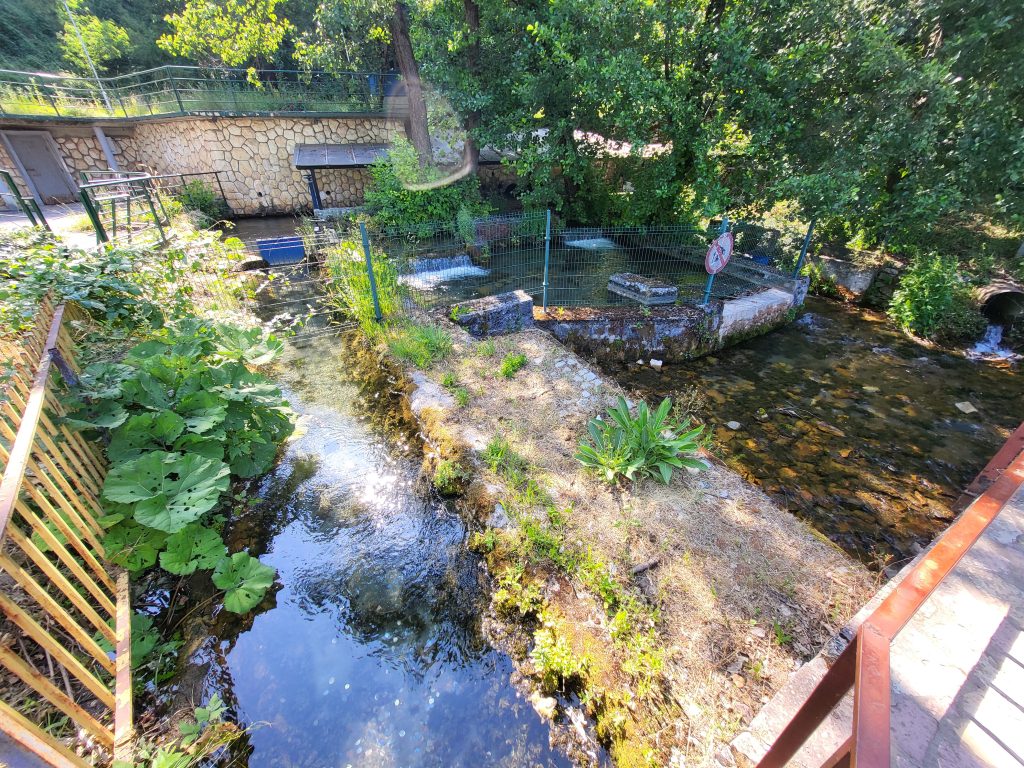
The Ministry of Environment and Physical Planning lead the preparation process, with support from the Groundwater Management, Use and Protection Programme, an initiative of the Government of Switzerland. The plan’s development is inclusive by design, engaging relevant institutions, civil society, the business community, farmers, and interested citizens.
“This plan is not just a technical document, but a strategy for a better quality of life, a cleaner environment, and stronger action against climate change. The waters of the Vardar River Basin are essential for households, agriculture, and the economy, as well as supporting biodiversity in a healthy ecosystem. The plan will therefore provide an integrated approach to managing surface and groundwater resources, addressing hydromorphological, climatic, ecological, social, and economic aspects,” says Jan Kwiatkowski, Team Leader of the Groundwater Management, Use and Protection Programme.
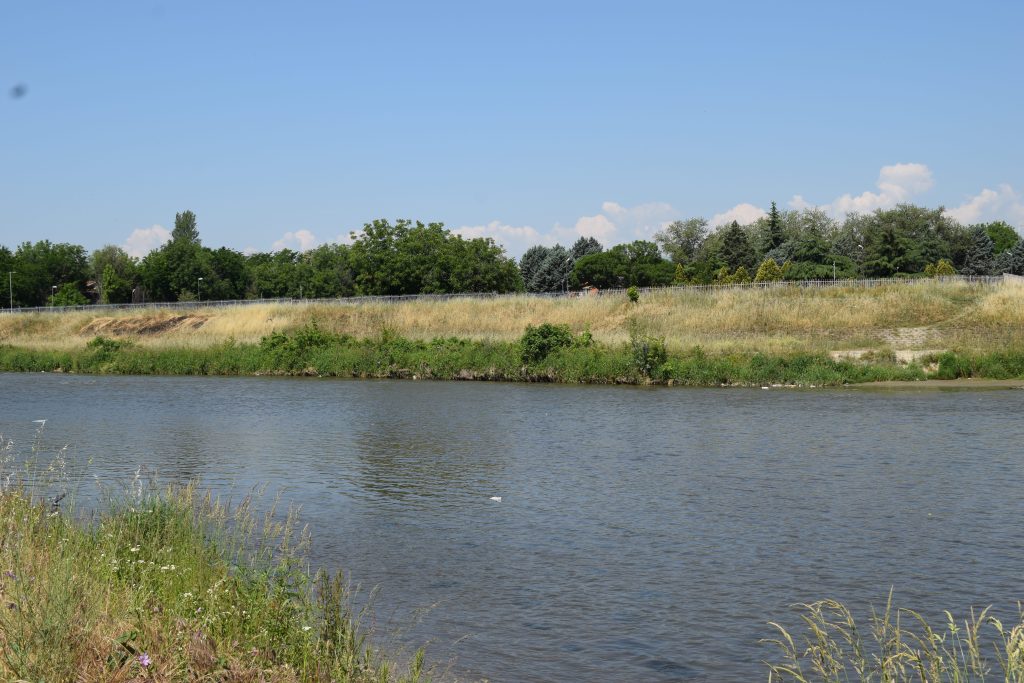
WHAT WILL THE VARDAR RIVER BASIN MANAGEMENT PLAN INCLUDE?
River basin management plans are comprehensive documents that contain all the crucial aspects that are important in ensuring a systemic and long-term approach to the protection and sustainable use of surface water and groundwater resources.
The Vardar River Basin Management Plan will outline the basin’s natural characteristics and current water status, identify pressures and impacts from human activities, define protected areas, map the monitoring network, and include an economic analysis of water use.
In addition, the plan will set clear objectives for improving and maintaining the quality of surface and groundwater, along with a program of measures to achieve them. These measures, as well as the tools for implementing them, form the heart of the plan, whose ultimate goal is to secure the long-term protection of the Vardar River Basin.
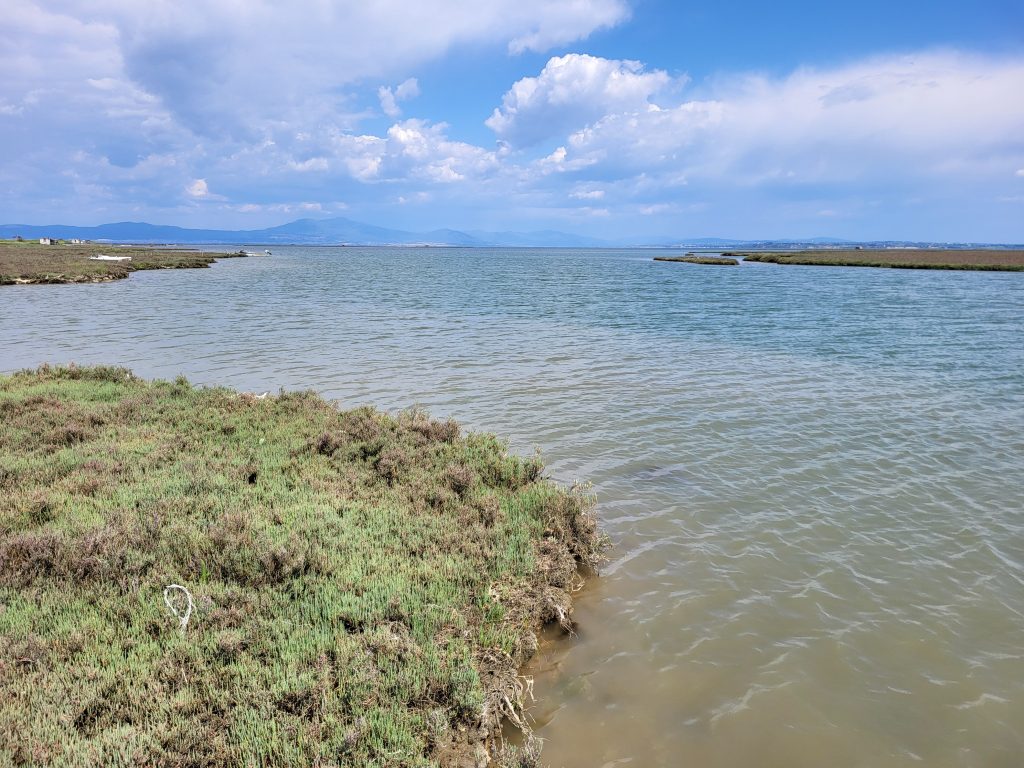
PUBLIC CONSULTATIONS AND STAKEHOLDER INVOLVEMENT
Decisions on how the Vardar River Basin will be managed in the coming years will not rest with a few individuals or institutions alone. Farmers, business representatives, civil society organizations, and citizens will all have an active role in this essential process. According to the preparation timeline, all analyses and studies will be completed by the end of 2026, followed by the presentation of a draft plan and broad public consultations in 2027.
One of the main mechanisms ensuring transparency and participation is the Vardar River Basin Management Council, established by the Ministry of Environment. With an advisory and coordinating role, the Council promotes public debate, connects institutions and citizens, and provides recommendations on development and protection of water resources. Its members represent a wide spectrum of actors – from state institutions and municipalities, to industries, utilities, NGOs, water users, and managers of protected areas. This diversity ensures that different perspectives are heard and that public and private interests are balanced.
Developing the first Vardar River Basin Management Plan is more than an administrative requirement – it is an opportunity for the country to demonstrate readiness to manage its most valuable natural resources in a comprehensive and sustainable manner, aligned with European standards.