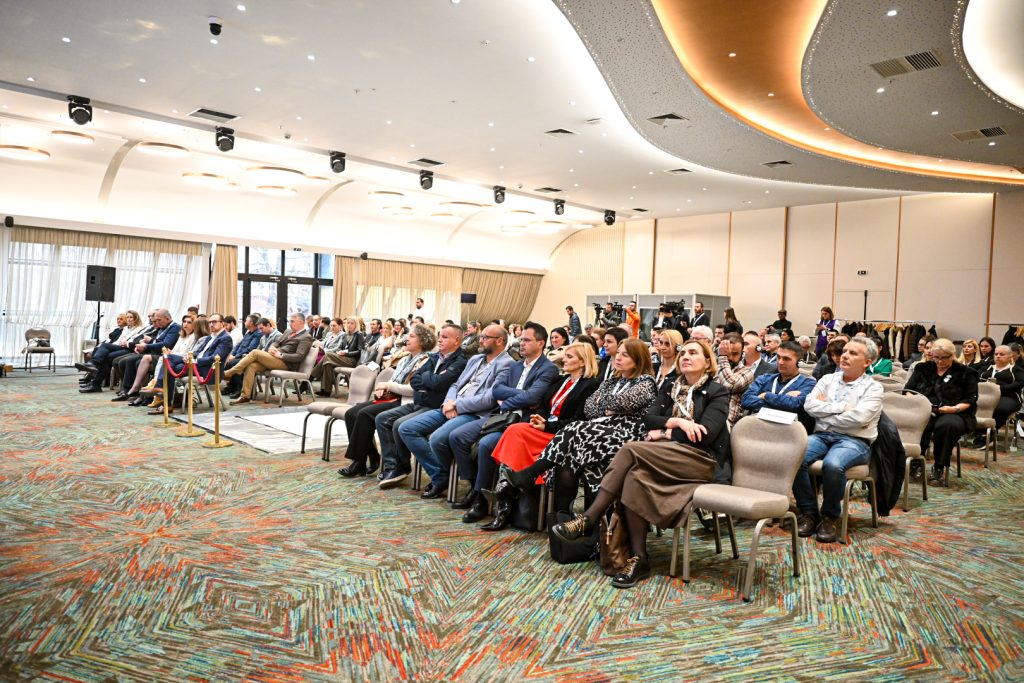
Marking World Water Day in Skopje, the public consultation process was officially launched to define future steps for the management and protection of the waters of the Vardar River Basin. The consultations on the country’s most important water resource will last six months, cover several regions, and involve citizens from all groups. At today’s event, the Interim Report on Significant Water Management Issues for the Vardar River Basin was presented, which will serve as the basis for the public consultation process.
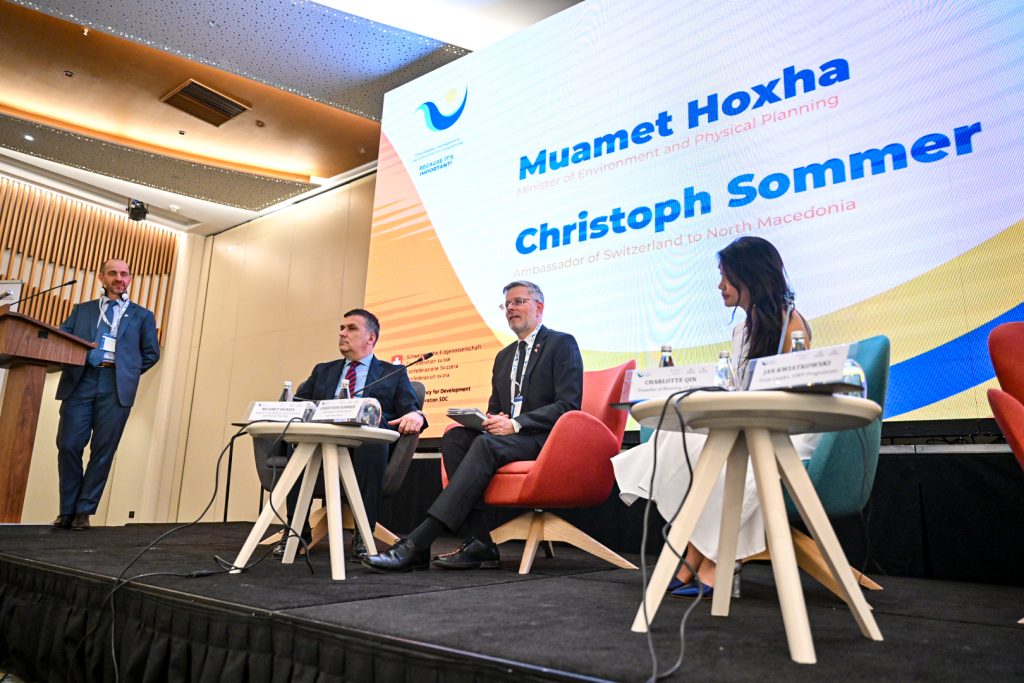
“The process is open to all stakeholders, because the best solutions emerge from shared dialogue. What we are launching today sends a clear message that water management in our country is built on transparency, inclusiveness, and accountability, as sustainable solutions are created with the participation of those who depend on them the most” , said Muamet Hoxha, Minister of Environment and Physical Planning.
The Interim Report analyses the factors affecting both water quality and quantity, while also defining the main objectives and measures for improved water management. The report, together with the outcomes of the consultations, will be used to develop the first six-year Vardar River Basin Management Plan.
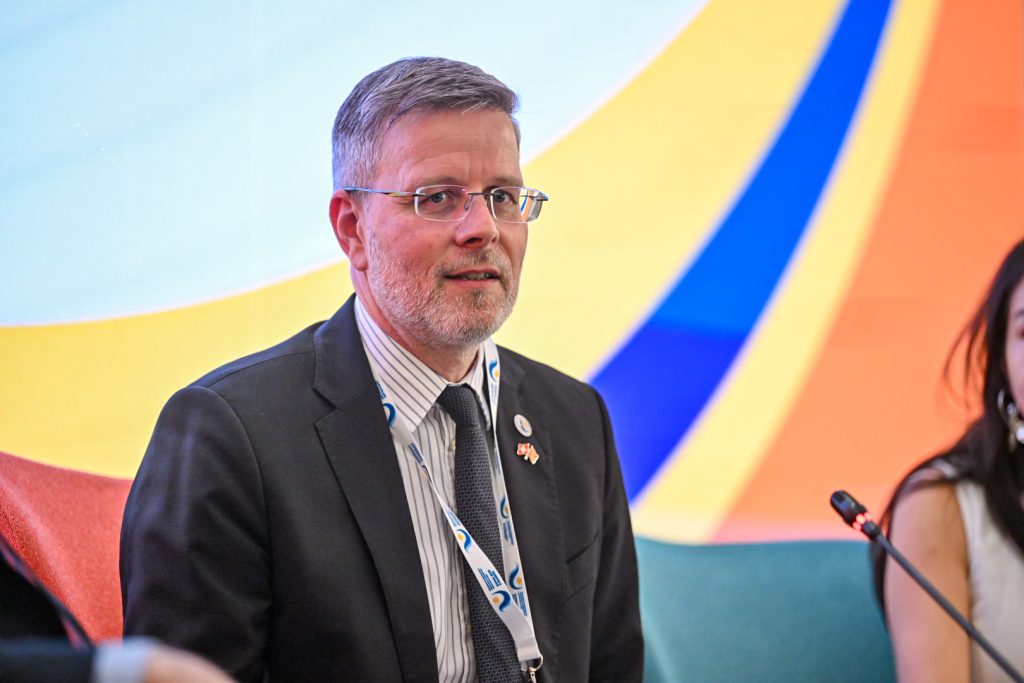
“For the first time, institutions are engaging in a structured, nationwide dialogue on water challenges. This represents a strong democratic step. By inviting citizens, institutions, and stakeholders to get involved, the country is laying the foundation for its first EU-aligned River Basin Management Plan and for the implementation of the Water Framework Directive” , stated Cristoph Sommer, Ambassador of Switzerland to North Macedonia.
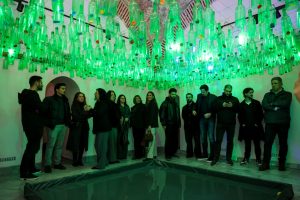
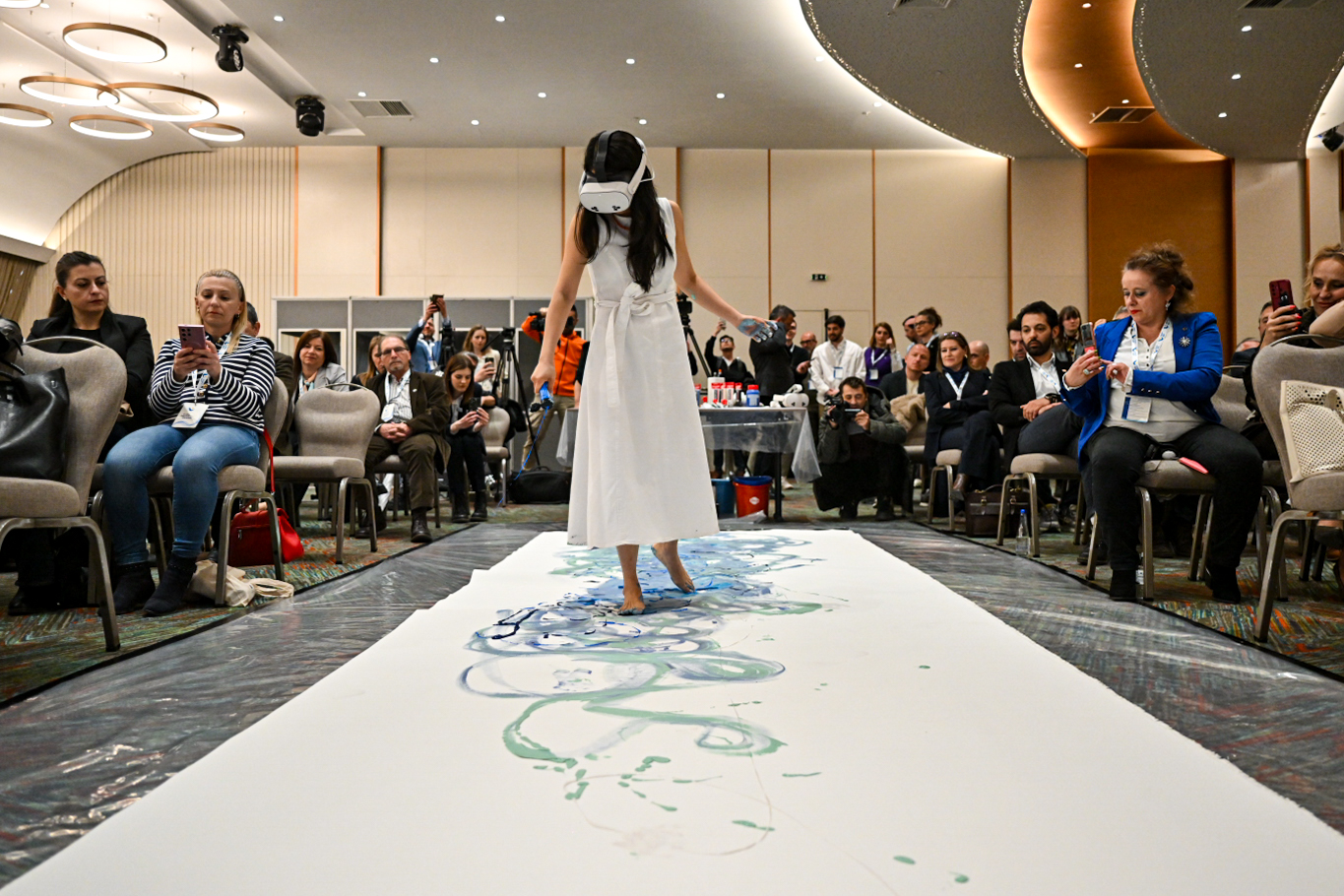
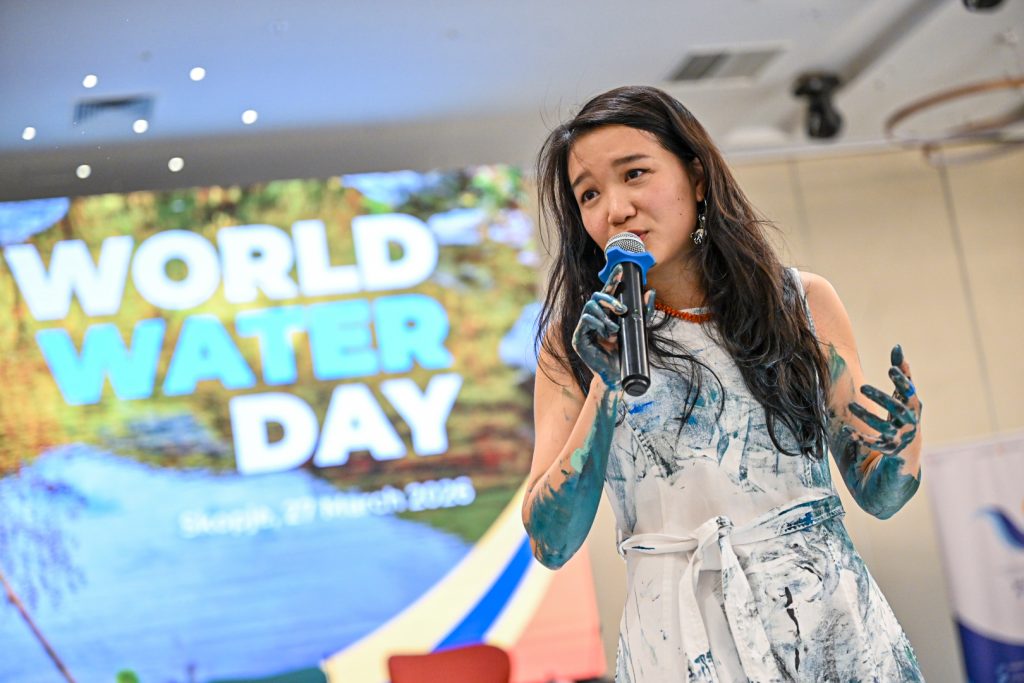
The World Water Day event in Skopje was held within the framework of the Groundwater Management, Use and Protection Programme. Visitors had the opportunity to experience a unique artistic performance by Charlotte Qin, a world-renowned artist and activist based in Geneva.
“Water is not only a resource, but also an asset. Water is memory, movement, and life. Yet today, we often overlook it in our policies, markets, and technologies. Let us not forget to respect and cherish such essential and vital elements such as the water” , emphasized Qin in her presentation.
A panel discussion was also held on the impact of water availability and management on gender equality, which is this year’s global theme of the World Water Day. The discussion concluded that women are more vulnerable in conditions of irregular water supply and that their equal participation in decision-making on water resources management and flood protection is essential.
The Groundwater Programme focuses on three main objectives: strengthening institutional capacities for integrated and sustainable water-resource management, developing an adequate legal and regulatory framework, and improving planning and management in the Vardar River Basin. This Swiss Programme is implemented in partnership with the Ministry of Environment and Physical Planning and the Ministry of Agriculture, Forestry and Water Economy.